

One of the best ways to be different is to feed your brain different ideas, and let it really chew on them. Go deep. Read books no one else is reading. Speak with people no one else is speaking to. Give yourself time and space offline, disconnected, to let your ideas take their own shape. Make connections between your new weird ideas and normal ideas. Weird ideas.
People: Robotaxi killed the cat. Confederacy of toddlers. Is AGI a conspiracy. Is throwing a sandwich a crime. Older people in the US smarter than kids. Making friends. GenZ stare?
Business: Spying on remote workers (FR). Palantir proposes students to skip college (anti-woke too?). Data centers and power costs. Introvert chairs. The best products remove guilt. Jacquemus’ opening a IRL food shop and Nike’s soup. Curating people.
Duralex.Tech: What are manifolds. High density power electrical motor. Solar powered mailboxes (and Australia solar). National laws for parking lots into solar farms. Solarpunk in Africa.
Germany bans Huawei from 6G.Planet: Fungus vs radiation. Hidden bronze age city seen from the sky.
Politics: Trump pardoning cryptobros. Turkey vs Israel.
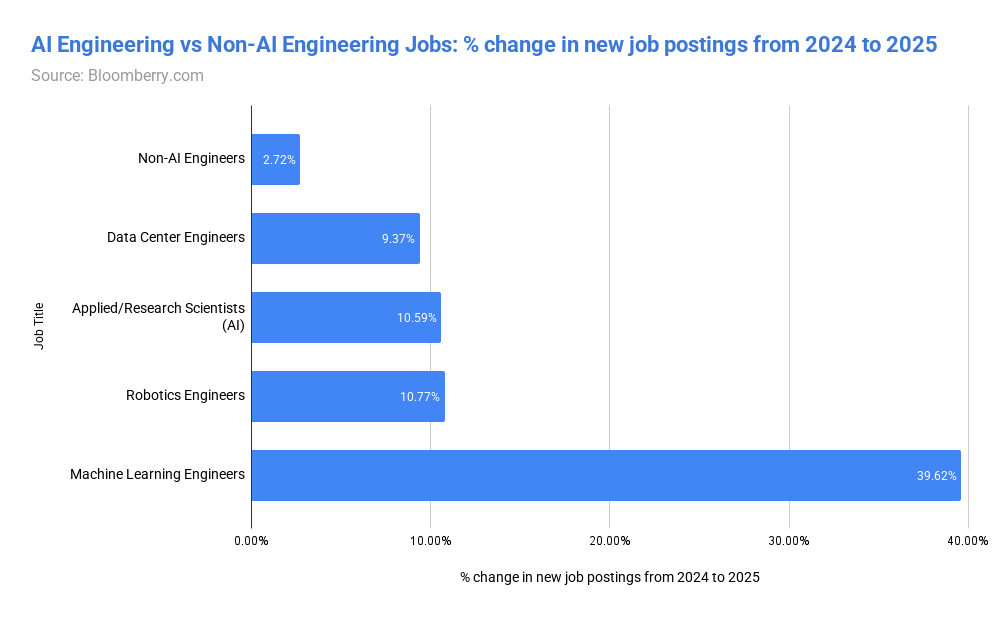
AI: From ICE to police, face scanning apps. Is AI thinking. Changes in jobs. ChatGPT and suicide.
Glow AI (vs slop AI).
Solar Smiles in Suburbia
In a small suburban community where taking the trash out is considered the height of adventure, the Ministry of Trade, Industry and Energy decided it was high time to make parking lots useful. A new law mandated that parking facilities with over 80 spots install solar canopies—an initiative that the local residents initially received with skepticism, as they couldn’t quite grasp why the sun, already overrated in their book, needed help to generate energy.
Then came Frida, the town’s underappreciated middle-school science teacher, armed with a solar-powered passion that was as contagious as a sneeze in a crowded elevator. She rallied her friends, who were more skilled in Guacamole-making than electricity-generating, advocating for the “solar revolution.” Friendship in that cozy enclave resembled a bureaucratic tango where one had to awkwardly ask, “Do you also believe in solar energy?” at the annual barbecue. Yet, the awkwardness proved worthwhile; together, they sprouted marigold-yellow canopies over their neighbor’s parking lot, turning it into a makeshift solar park—a beacon of hope that even suburbia could harness the infinite potential of the blazing star.
While commercial parking lots blossomed with solar energy, a curious thing happened. The local community learned that their neighbor, Geri, had been cleared of some pesky youthful indiscretions involving a dubious pizza dating back two summers—a past flushed from the ‘trusted’ algorithmic archives by some capricious A.I. Perhaps it was algorithmic sympathy stemming from a rogue program that believed forgetting was better (how naive, but there it was). This incident revived long-ignored discussions about friendship, duty, and the missteps of youth—a welcome distraction from the tussles over the shrinking yard-flower borders.
As energy thrummed through the grid like a caffeinated squirrel, news broke out that the President himself was making moves with cryptic bars of Bitcoin while pardoning a crypto tycoon who was as popular as sour cherries in a pie fight. “Why bother with political maturity if you can surf on memes?” a friend quipped at lunch, reflecting on the juvenile shenanigans that seemed to dominate Washington—everyone’s sketches of adulthood were appearing more like toddler art at this point.
Meanwhile, on the fringes of the town’s woodlands, the futuristic Pivotal Helix—an electric Vertical Takeoff and Landing aircraft perhaps based on nothing more sophisticated than a particularly ambitious drone—took to the air, gliding through the skies like an overzealous turkey that dared believe it was a swan. Frida secretly signed up for classes, driven by a curiosity as ancient as the stars themselves, likely hoping to gain pilot wings before she remembered elementary physics meant very little without actual physics.
Then, an announcement from Australia arrived, promising free electricity for hours at a time, stirring dreams of a solar utopia within yards and yards of blooming wildflowers. “What if we become an avant-garde commune of solar enthusiasts?” whispered a friend, spurring Frida’s imagination, as they discussed how a strange world compelled strange ideas and occasionally, poor life choices—an endless source of amusement served hot with a side of existential dread.
In the quirky tapestry of their humble existence, connections threaded between old friends, neighbors, and even a few crafty pigeons, illuminated by bright canopies overhead, offered a refreshing reminder: the rules were shifting, the sun was shining, and perhaps even suburbia had a spark of weirdness that could blaze into something extraordinary. So, as they congregated around the newly established parking lot-turned-solar-farm, their laughter echoed through the air—reminding the world that friendships, like solar panels, thrive best in sunlight, even when clouded by life’s absurdities.