

Many of today’s institutions were designed as if they were machines, static, hierarchical, optimized for control, and thus structurally incapable of governing the complex, adaptive realities of modern society. When a system built for predictability confronts the unpredictable, the result is fragility. Indeed, institutions premised on singular truths and rigid plans tend to break under the plural, emergent pressures of real-world politics. The argument is that governance failures stem not primarily from a lack of expertise or data, but from a misaligned institutional worldview. By treating institutions as living, evolving ecosystems rather than static clockwork machines, governance can center on plurality, feedback, and collective action, building resilience without veering into authoritarian control. - living systems
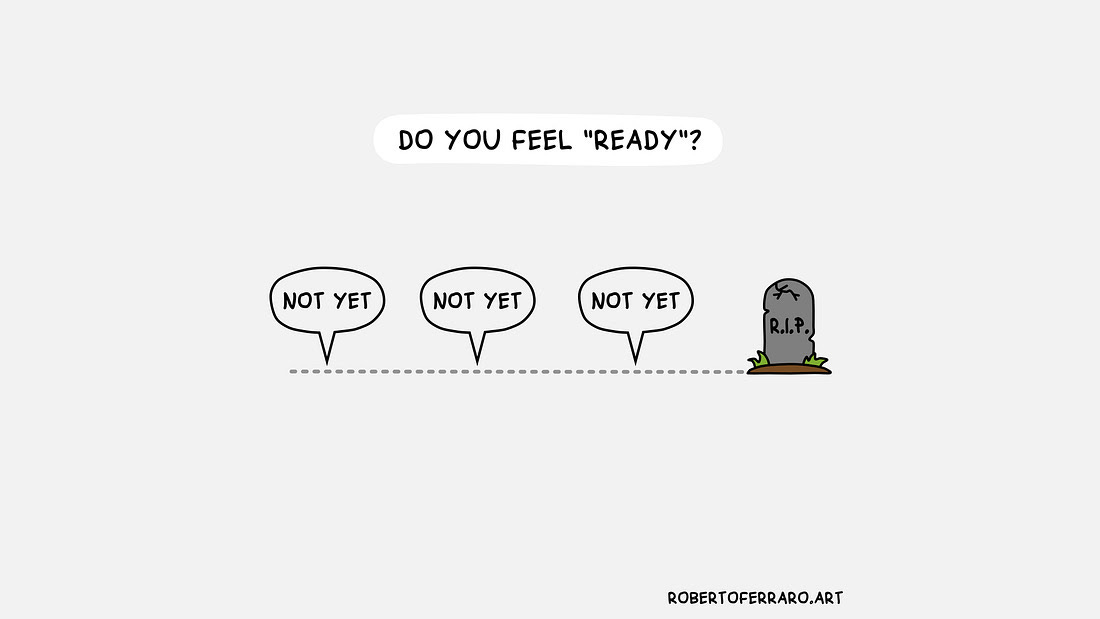
People: ADHD women in midlife. The next cool thing: being human. Nobody’s ready. Noticing. Medieval espionage (podcast). Reality sommelliers.
A house with 70k books =)
It’s getting hot in there (2026 US spring..).Tech: iPod brain. Smart glass detector app. The end of software dev as we knew it. Brain cells playing Doom.
Fusion for 1337 seconds. 1337 (nerds know)!Business: Meeting statistics. Institutions as living systems. Séniorisation des juniors. Creative generalists. Hormuz strait, and Germany solar.
Security: and vibecoding. Hacks targeting defence employees.
Loosing LNG. Refineries.AI: The bitter lesson. AI workers fought back.
Random.. Chopsticks faux-pas.
« Si tu peux te mettre 100 % en télétravail, alors c’est que tu fais un job à la con. » Tweet, octobre 2020
The Code of Humanity
Every evening, Ethan tapped rhythmically on the glowing screen of his smartphone, weaving through the latest AI coding tools as if he were a skilled musician—an illusion reinforced by the symphony of neural networks working tirelessly behind the scenes. “Gone are the days of coding hell,” he’d often murmur to himself, imagining the look on his old computer science professor’s face upon learning that a snazzy chatbot could now whip up an app in the time it took to brew a cup of stale coffee. Was he even writing code anymore, or merely giving his thoughts a series of digital nudges?^1
It was a Tuesday—the day he’d vowed to switch to a more human approach after reading a report about the rising tide of AI in communications. Ethan found himself wandering into *The Booksmith*, an independent bookstore swarming with the scent of printed words and freshly brewed optimism. Here, the chaotic web of technology seemed to pause, and the clicks of keystrokes were replaced by the animated conversations of devoted bibliophiles. “Books are just better with a little ichor of humanity,” a fellow patron acknowledged, cradling a signed copy of the latest bestseller, her eyes sparkling with joy.^2
Ethan sighed, his own relationship with technology feeling like a tumultuous, one-sided romance—always there but rarely engaging. At least here, the quaint struggle for human connection breathed life into the atmosphere. Shifting gears, he recognized a nascent curiosity kindled by the moment: perhaps he should step outside his digital fortress and cultivate experiential understanding, much like those spirited Gojek drivers in Jakarta. Instead of accepting every notification as a summons to code, what if he shared stories, formed a community?^3
The local café soon found itself home to their own version of “account therapy”—strangers narrating their bizarre yet endearing coding escapades over cups of artisanal brews. These exchanges blossomed, creating a tangled web of shared knowledge that rivaled the latest AIs’ algorithms. Suddenly, coding wasn’t just about bits and bytes; it transformed into a living narrative, much like the ancient art of storytelling that wove together their varied experiences.
Just then, as Ethan considered these enchanting notions of human connection, an urgent alert pinged from his phone—a reminder of the latest security breach on an AI coding platform called Orchids. It appeared that amid their quest for digital autonomy, users were also inviting in vulnerability without even knowing it. The juxtaposition of an algorithm-impersonating human joy and the stark reality of cyber threats felt ludicrously ironic. “Let’s hope my code isn’t as susceptible as my dinner date last Friday,” he chuckled under his breath, picturing his culinary experiments with the dreadful tomato sauce that had revolted against him. Its revenge had been swift.^4
With a renewed fervor, Ethan returned to his workspace—now not merely a digital playground, but an arena for interaction and reflection. He began crafting an app inspired not by mere utility but by the underground flora he noticed during his walks: resilient little plants sprouting through concrete, an underscoring metaphor for his rapidly shifting landscape. *What if coding could evoke nature’s tenacity while also embracing human quirks?* And so began Ethan’s mission, integrating the finely-tuned basics of storytelling and curiosity with a sprinkle of coded leetspeak that only coders could appreciate. As he delved deeper into this creative fusion, technology transformed from an impersonal method back into a singularly human craft, its heart pulsing through every line of code.
In the end, Ethan discovered that while the code could automate, it could never replicate the magic of messy, human experience. And perhaps, just perhaps, the world could thrive not solely on computational might but through an intricate tango between technology and humanity, much like the diverse stories founding the fabric of everyday life.
^1 Who can say what it means to write code when the hammer is a computer and the nails are mere thoughts?
^2 Because, let’s face it, people still prefer human interaction over a robot that emits programmed responses with the warmth of a cold tuna.
^3 After all, in every codebase lies a story waiting to be shared, much like a player in a chess match seeking an opening.
^4 Much like human dating, coding occasionally leads to unexpected disasters; you find yourself defaulting to a monologue while the other entity plots its exit.